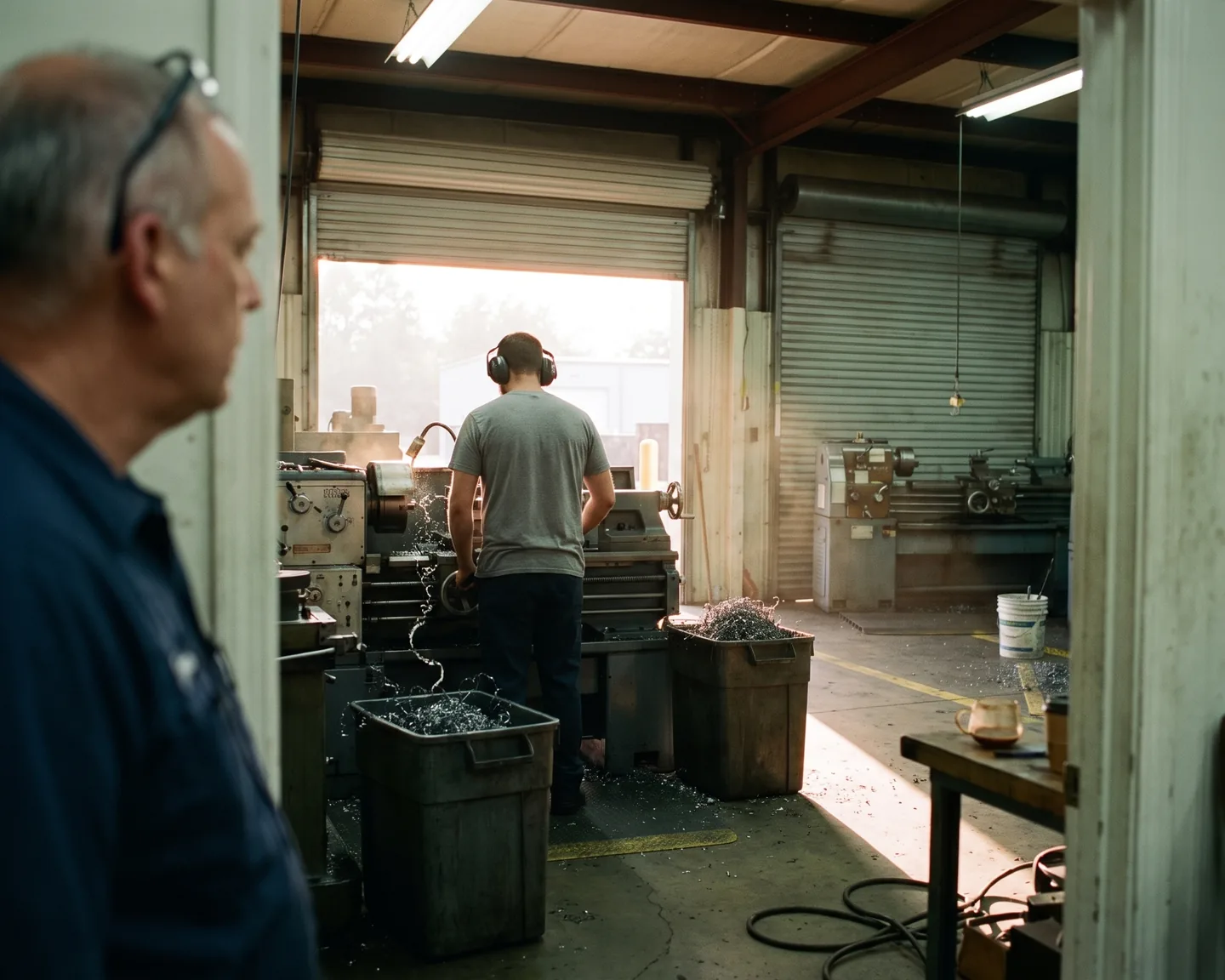
Pittsburgh and the surrounding counties
Areas We Cover
We work with business owners across Pittsburgh and the surrounding counties. Find your area below.
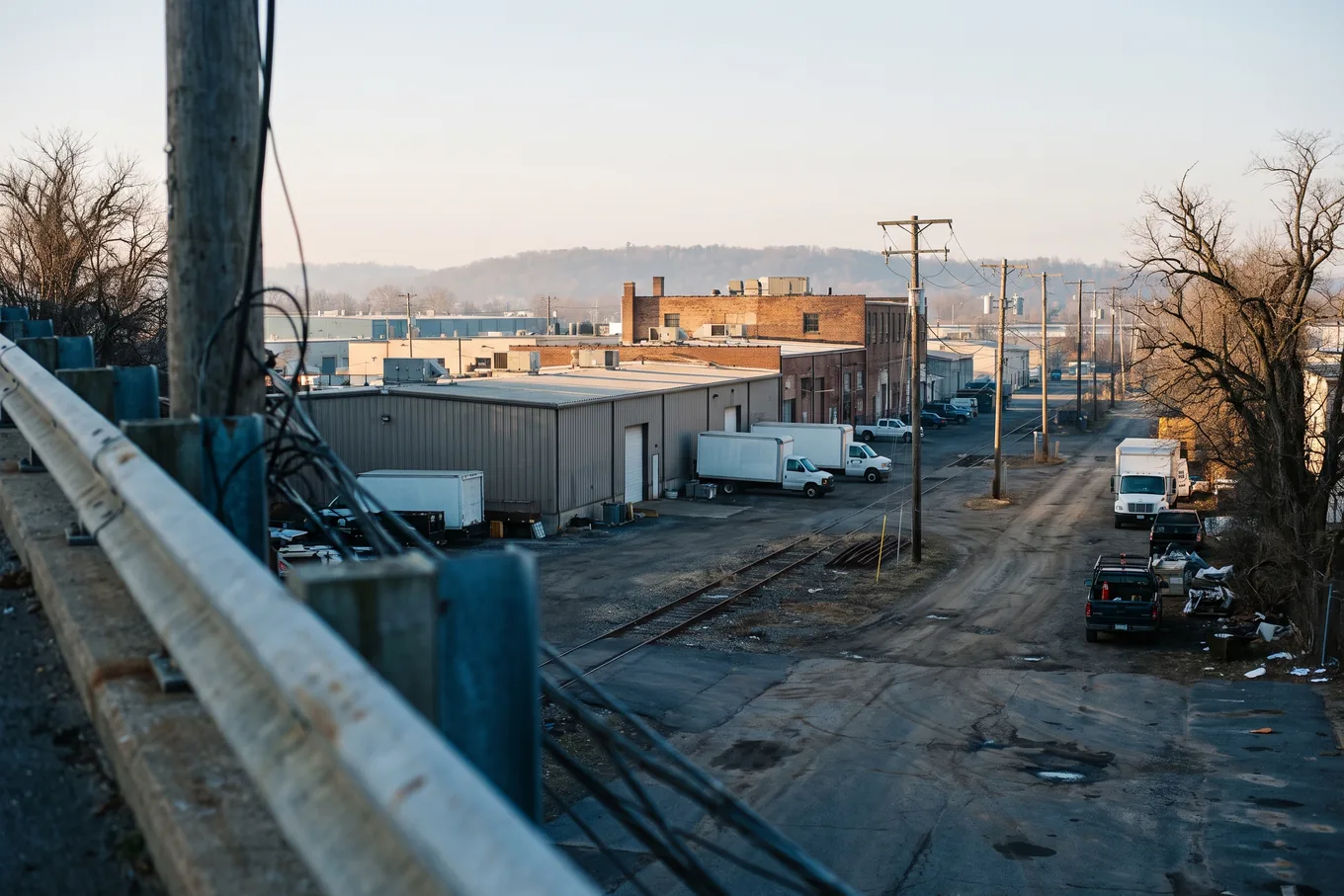
Covering Pittsburgh and the counties around it
Buyers do not care which township a business sits in. Sellers do, because the local business community is exactly the group they cannot afford to have hear about a sale. So we cover the whole metro rather than one corner of it, and every conversation starts confidential regardless of where you are.
Below are the areas we work most often. If you are nearby and do not see yours, get in touch and we will tell you straight away whether we cover it.
Why we work the whole metro and not one town
A business in Pittsburgh and a business in Allegheny, Washington, Westmoreland, Butler, and Beaver counties are sold to the same pool of buyers. Private equity looking for an add-on, an operator leaving a corporate job, a competitor two counties over: none of them draw their search radius around a township line. They draw it around a drive time and a sector. That is why a brokerage that covers one borough is quietly limiting who ever sees your business.
What does change from place to place is the seller side. A workshop on a main street in a town of fifteen thousand is a different confidentiality problem to a distribution business off an interstate exit, and the process has to account for that. Same buyer market, different amount of care in how the business reaches it.
Every area we cover
Allegheny County
Westmoreland County
Washington County
Butler County
Beaver County
What differs from one area to the next
The city core. Denser, more service and hospitality businesses, and more premises held on a lease rather than owned. Lease assignment is the thing that most often decides the timetable here, because a buyer will not close on a business whose landlord has not yet agreed to let them stay.
The outer counties. More light manufacturing, contracting, and business-to-business services, and more owner-occupied premises. That gives a seller a second decision to make: sell the property with the business, or keep it and lease it back as an income. The two produce very different numbers, and it is worth deciding which one you want before going to market rather than during negotiation.
The smaller towns. A wide spread, from main-street trades to established operators on the corridors toward the interstate. Owner dependence is the recurring theme in the smaller ones, and it is the single item most worth fixing in the couple of years before a sale.
The long-established businesses. Often second generation, often never valued. The most common conversation starts with an unsolicited approach the owner is not sure how to judge.
The full guide to selling a business in Pittsburgh works through valuation, marketing and diligence in detail, whichever of those you are in.
If your area is not on the list
The areas above are where we work most often, not the boundary of where we work. If you are inside the metro and your town is not listed, the answer is almost certainly yes, and a phone call settles it in a minute rather than a form and a wait.
It is also worth saying what an area page is not. It is not a local office with a local phone number and a different broker behind it. It is the same firm, the same process, and the same person on the call, described for the place you are in. If you would rather skip straight to the process, read what we actually do or the questions owners ask most.
Not ready to sell yet? That is fine. Most owners we talk to are not.
A first conversation costs nothing and commits you to nothing. You will come away knowing what your business is worth and what, if anything, you would want to fix before going to market.